Forklift capacity planning is not just about lifting weight—it’s about choosing the right type of machine for the environment it will operate in. Site conditions, load characteristics, and workflow demands all influence which forklift configuration will perform safely and efficiently.
Across construction, industrial yards, and logistics operations in Western Canada, selecting the right forklift type helps reduce downtime, improve safety, and increase overall productivity. This guide explains how common site conditions translate into specific forklift categories and model types, using real-world applications.
Load Characteristics: Standard vs. Heavy-Duty Handling
The first step in equipment selection is understanding the nature of the load. Stable, palletized materials place different demands on equipment than oversized or irregular loads.
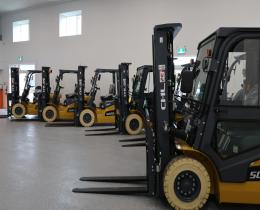
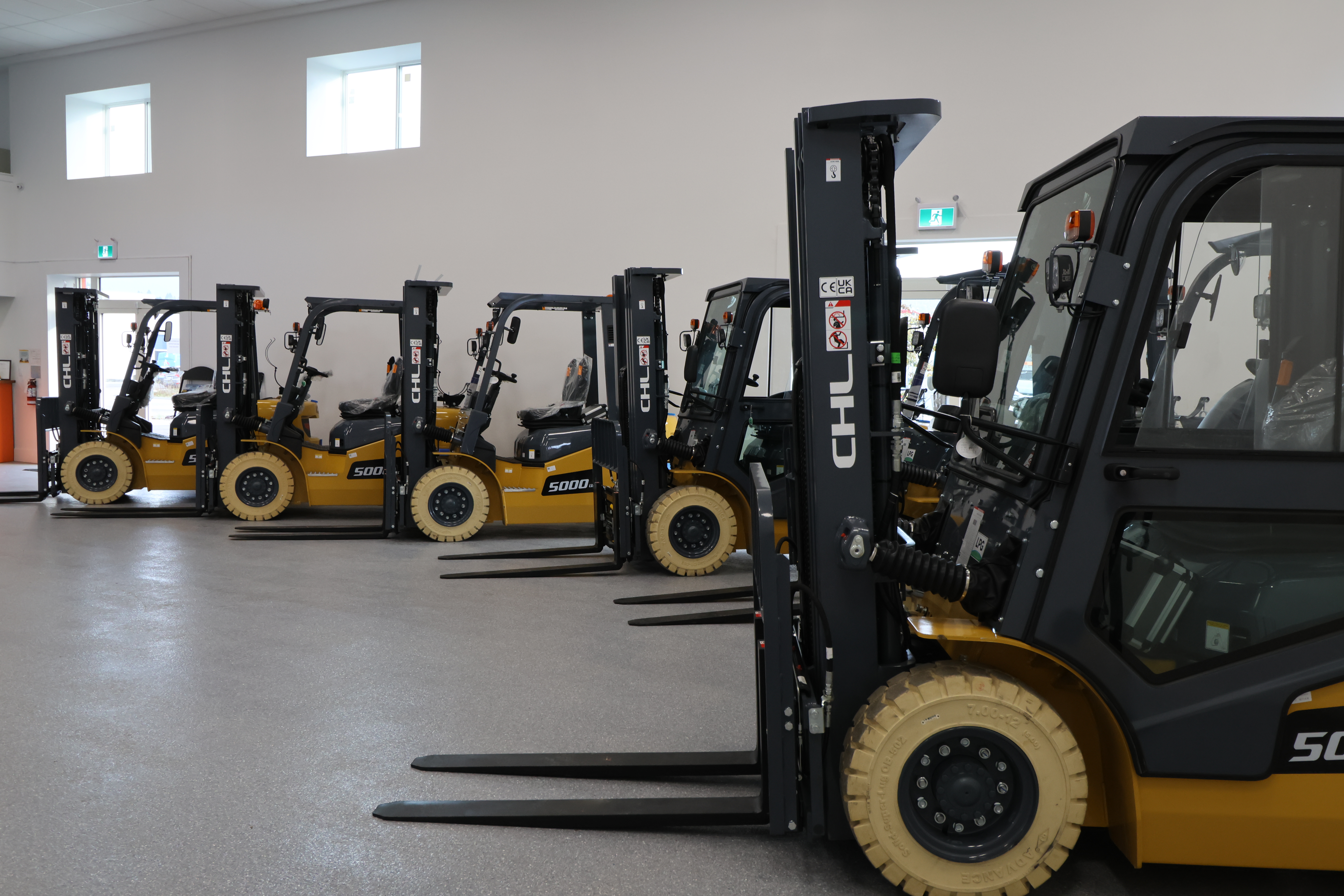
- Consistent, palletized loads are well-suited to standard counterbalance forklifts, such as CHL 3–5 ton internal combustion models used in warehouses and industrial facilities.
- Heavier or bulkier loads, especially those handled frequently, often require higher-capacity counterbalance forklifts with reinforced masts and stronger hydraulics, such as CHL 7–10 ton diesel forklifts.
Choosing the correct capacity range ensures smooth operation without overstressing the machine.
Load Centre Distance and Oversized Materials
When loads extend forward—such as long building materials, steel, or lumber—the effective lifting capacity decreases.
Applications involving extended load centres typically benefit from:
- Larger counterbalance forklifts with longer wheelbases
- High-capacity CHL diesel forklifts (8–16 ton range) designed to maintain stability with forward-shifted loads
These machines provide better balance and control when handling materials that don’t fit standard pallet dimensions.
Surface Conditions: Indoor Floors vs. Rough Terrain
Ground conditions play a major role in determining forklift type.
- Smooth indoor floors (warehouses, manufacturing plants) are ideal for electric or counterbalance forklifts, offering clean operation and tight maneuverability.
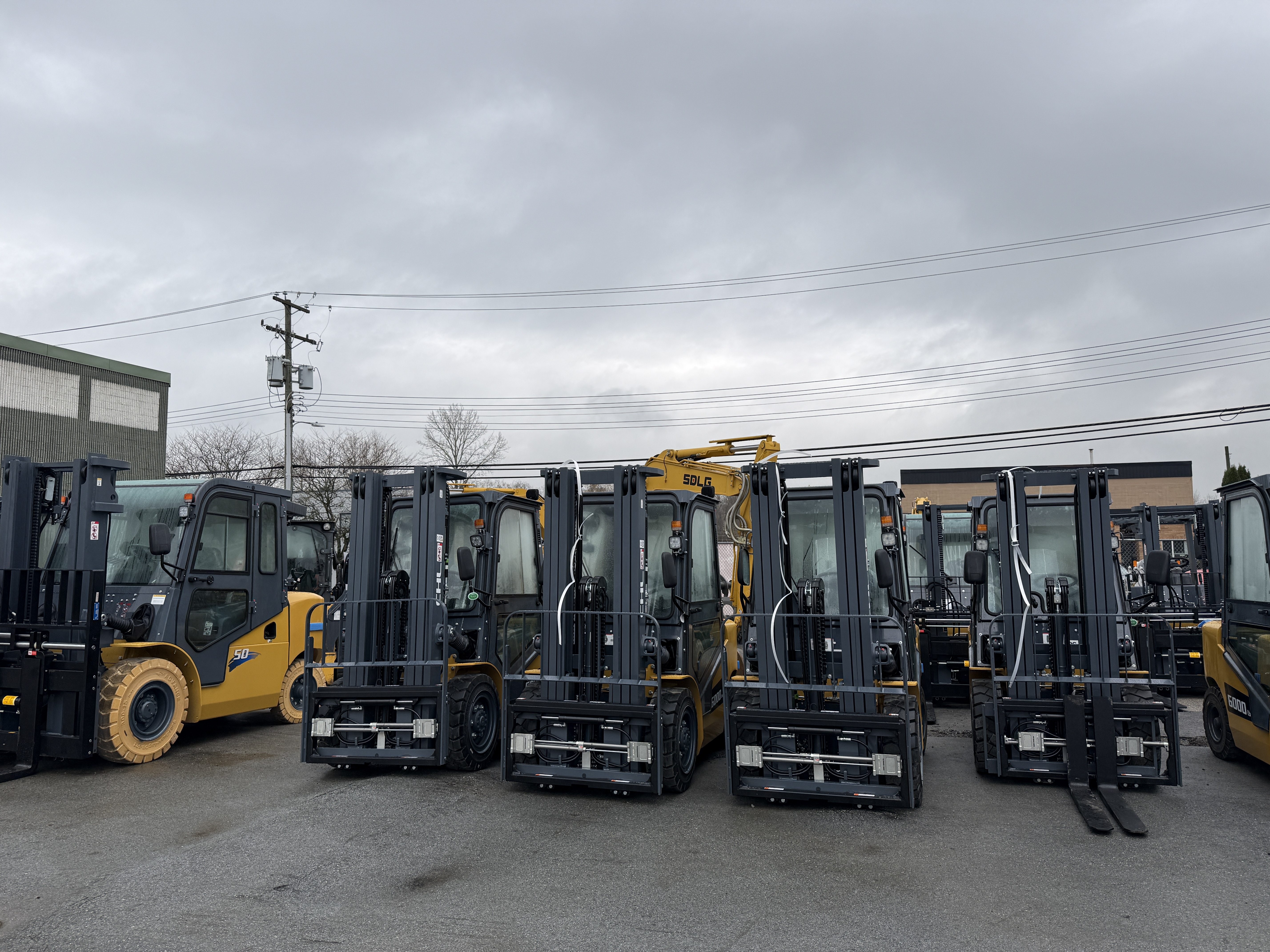
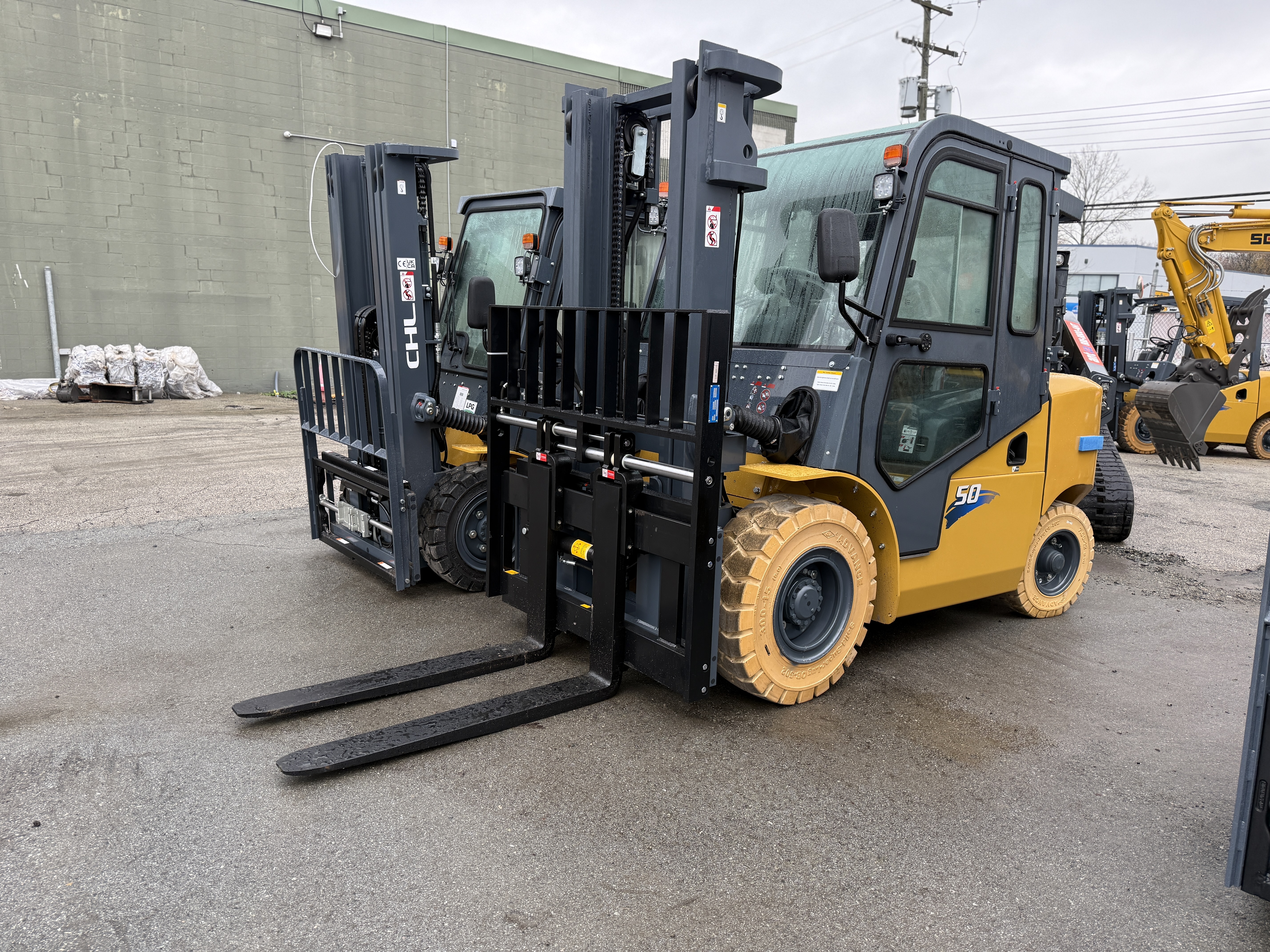
- Outdoor or uneven surfaces (gravel yards, construction sites) require rough-terrain forklifts or diesel counterbalance models with pneumatic tires, such as CHL rough-terrain forklifts designed for stability and traction.
Space Constraints and Maneuverability
Tight aisles and congested job sites demand compact, agile equipment.
- Narrow warehouse aisles benefit from compact electric forklifts with smaller turning radii.
- Confined construction or staging areas often require short-wheelbase counterbalance forklifts that can maneuver efficiently without sacrificing lift control.
In these environments, maneuverability matters as much as capacity.
Lift Height and Vertical Reach Requirements
Vertical storage and elevated placement introduce new stability challenges.
- Standard stacking heights can be handled by conventional counterbalance forklifts.
- Higher racking systems or elevated loading points may require forklifts with high-mast configurations or equipment with enhanced lift stability.
Environmental Exposure and Outdoor Operations
Weather conditions affect machine performance.
- Cold, wet, or windy environments require equipment designed for reliable outdoor use.
- Diesel forklifts and telehandlers are commonly used for year-round outdoor operations across Western Canada.
Choosing equipment rated for outdoor performance helps maintain productivity in changing conditions.
Forklift Attachments and Specialized Handling
Attachments change how loads are handled and must be considered in equipment selection.
- Fork positioners, side shifters, or clamps add weight and alter load centre.
- Higher-capacity forklifts or reinforced mast designs are often required when attachments are used regularly.
CHL forklifts are commonly configured with attachments to support specialized material-handling needs.
Matching Equipment Type to Industry Needs
Different industries require different machine types:
- Warehousing: Electric or counterbalance forklifts
- Construction: Diesel forklifts and telehandlers
- Industrial yards: High-capacity diesel forklifts (7–16 ton)
- Logistics & distribution: Compact, efficient counterbalance forklifts
Understanding the operating environment helps narrow down the most suitable equipment category.
Choosing the Right Forklift Starts with the Site
Effective capacity planning considers:
- Load weight and dimensions
- Ground conditions and surface type
- Space constraints and maneuverability
- Lift height and reach
- Attachment usage
- Environmental exposure
By aligning these factors with the appropriate forklift type—whether a compact electric model or a high-capacity diesel forklift — operations can achieve safer, more efficient handling.
Equipment Support Across Western Canada
ANT Equipment Group supports customers across Western Canada by helping match site conditions to the right forklift and material-handling equipment.
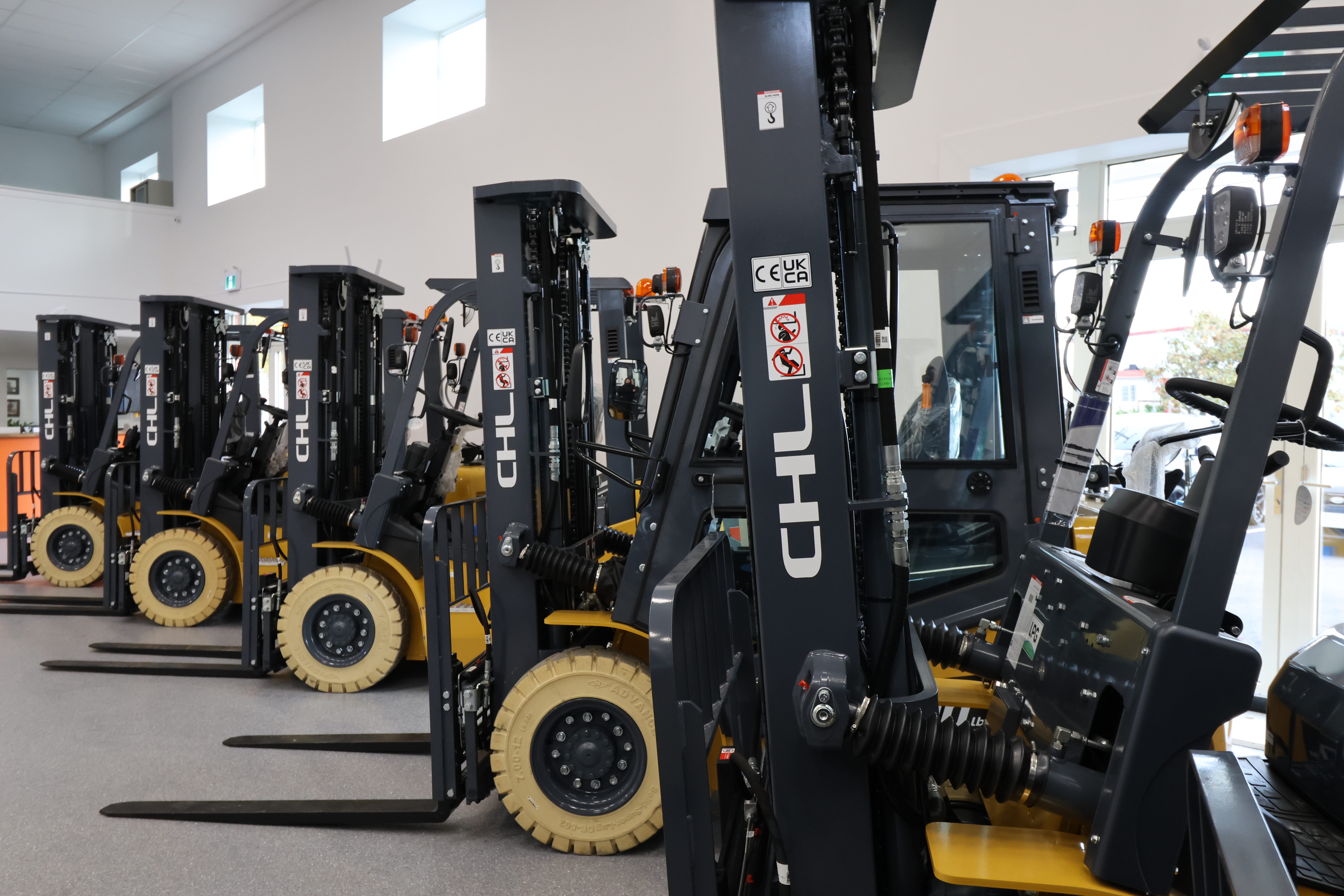
With access to trusted brands such as CHL, ANT provides solutions ranging from compact warehouse forklifts to high-capacity diesel machines and telehandlers—configured to meet real job-site demands.
Learn More About Forklift Selection
For help choosing the right forklift type or CHL model for your site, contact the ANT team.
📞 Phone: 778-838-7777
📧Email: info@ant.ca